

You can volunteer at a free clinic in Northern Virginia by choosing a role that fits your skills, contacting the clinic, completing a short application and orientation, and signing up for a regular shift. Clinics welcome licensed healthcare professionals and people with no medical background.
Free clinics fill the gap between a 911 call and a regular doctor’s office. Virginia emergency medical services respond when a life is at risk, but neighbors without insurance also need somewhere to go for blood pressure checks, diabetes care, and prescription refills. At Adams Compassionate Healthcare Network (ACHN), volunteers make that everyday care possible. This guide covers who can help, what the roles look like, and how to get started.
Who Can Volunteer at a Free Clinic in Northern Virginia?
Almost any adult who can keep a schedule and respect patient privacy can volunteer. Clinics usually need two groups of people: licensed clinicians and non-clinical helpers. Some clinics also accept students aged 16 and 17 with a guardian’s permission, so ask about age rules when you reach out.
Free clinics in Northern Virginia run mostly on donated time. A nurse who gives four hours a month and a front desk volunteer who gives four hours a week both keep the doors open and the waiting room moving.
What Volunteer Roles Are Available?
Roles fall into two categories, and both matter to patient care.
Clinical Volunteers
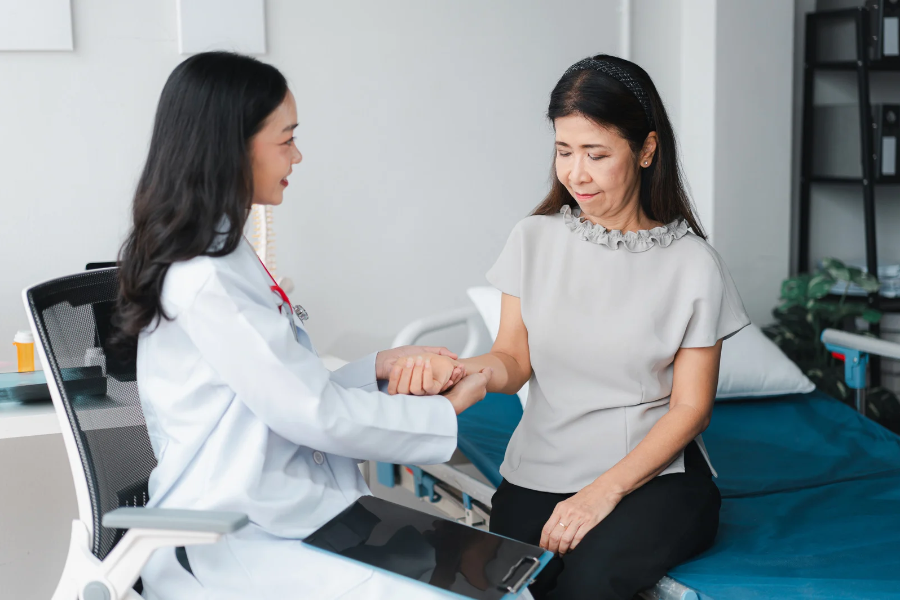
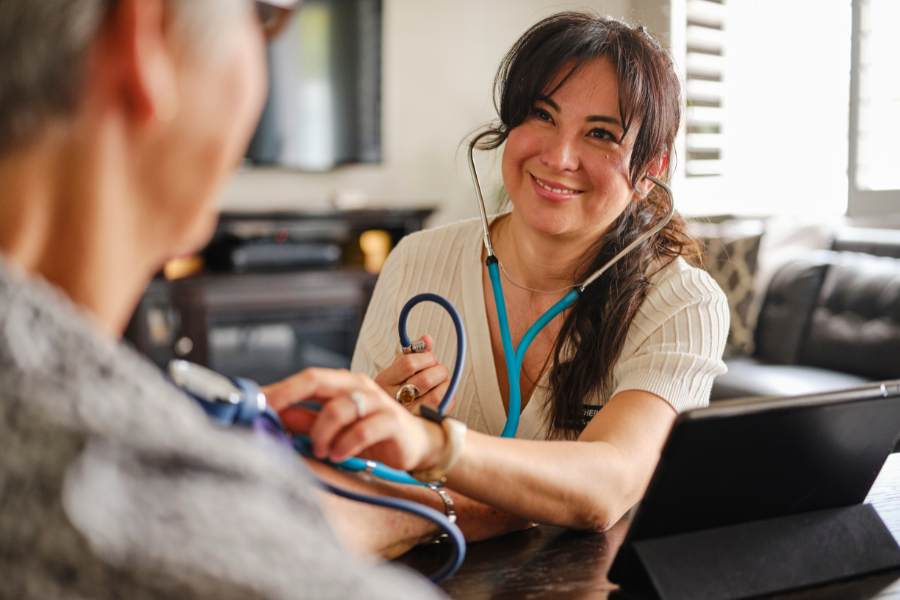
Clinical volunteers hold an active license and see patients directly. The clinic will verify your license before your first shift.
- Physicians and nurse practitioners
- Registered nurses and licensed practical nurses
- Pharmacists and pharmacy technicians
- Dentists and dental hygienists
- Licensed counselors and social workers
Non-Clinical Volunteers
You do not need a medical background to be useful. Patients often say the first friendly face at the door shaped how the whole visit felt.
- Front desk check-in and scheduling
- Interpreters and bilingual greeters
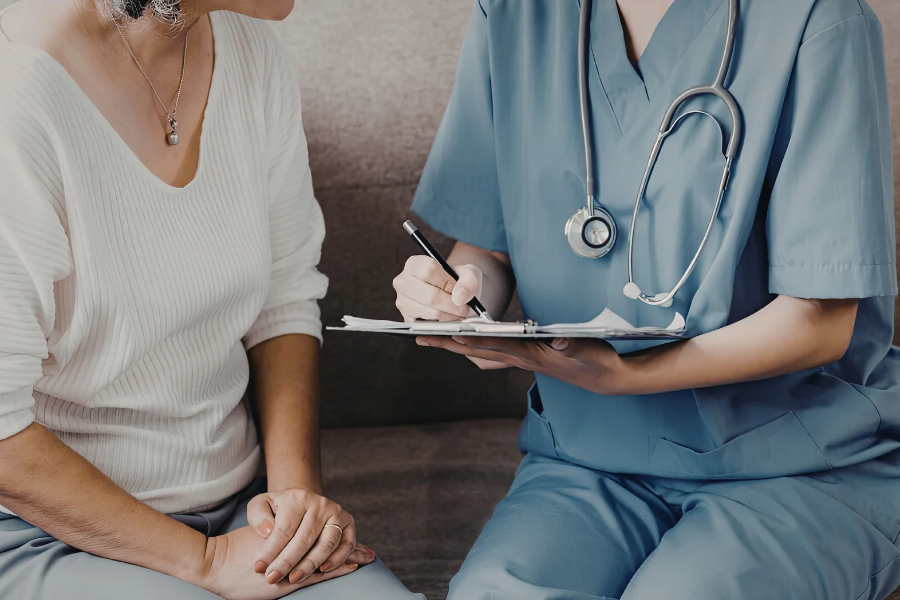
- Intake and paperwork help
- Data entry and records support
- Event planning, outreach, and fundraising
How Do I Start Volunteering at Adams Compassionate Healthcare Network?
The process is short. Most people go from first message to first shift in a few weeks, depending on screening and orientation dates.
- Pick a role that matches your skills and the hours you can give.
- Reach out to the clinic and say which role interests you.
- Fill out the volunteer application.
- Provide license details if you are a clinician.
- Complete orientation, including privacy and safety training.
- Book your first shift and shadow an experienced volunteer.
Ready to start? Send Adams Compassionate Healthcare Network a message through the contact form on this page and tell us which role fits you best.
Why Do Free Clinics Matter So Much in Northern Virginia?
Northern Virginia has a high cost of living, and many working adults still lack health coverage. Hourly workers, contractors, new arrivals, and families between jobs often skip care until a small problem becomes a big one.
Without a regular care home, people end up calling Virginia emergency medical services or going to an emergency room for problems a clinic visit could have handled earlier. A free clinic offers primary care medical services such as screenings, chronic condition checks, and basic treatment. That keeps people healthier and keeps emergency rooms open for true emergencies.
What Does a Typical Volunteer Shift Look Like?
A shift usually runs three to four hours. You check in, get a short briefing from the shift lead, and start your assigned task. Clinical volunteers see scheduled patients. Non-clinical volunteers greet patients, confirm appointments, and help with forms.
Shifts are team-based, so you are never on your own. Experienced staff and volunteers answer questions as they come up, and most clinics ask new volunteers to shadow before working independently.
Do I Need a Medical Background to Help?
No. Roughly half of the work at a free clinic has nothing to do with exam rooms. Someone has to schedule appointments, translate for a patient, organize supplies, and answer the phone. If you can be patient, reliable, and kind, you can contribute.
Skills that help:
- Speaking Spanish, Korean, Amharic, Arabic, Vietnamese, or another language common in the area
- Basic computer and spreadsheet skills
- Experience in customer service or hospitality
- Comfort working with people under stress
What Is the ACHN Chantilly VA Clinic, and How Can I Get Involved?
Many people search for the ACHN Chantilly VA clinic because they want to help in the Chantilly and western Fairfax area. Adams Compassionate Healthcare Network connects volunteers with patients who need primary care services but cannot afford a standard office visit.
If you search for the Adams Medical Centre, you may also see the clinic listed under related names. Whatever name you find, use the contact form on this page so your message reaches the right team. Current shift needs change from month to month, so ask which roles are open now.
Want to see where you could fit? Reach out through our form and a team member will walk you through the open roles.
How Does a Volunteer Care Network Work?
A volunteer care network is a group of clinicians, staff, and community helpers who share the work of caring for patients. Each person covers a small piece: a physician sees patients, a pharmacist reviews medications, an interpreter helps a family follow instructions, and a scheduler keeps appointments on track.
This setup works because no one person carries the whole load. You can give a few hours, and the network around you turns those hours into complete care for the patient.
What Should I Know Before My First Shift?
A little preparation makes the first day easier.
- Bring a photo ID and, if you are a clinician, your license information.
- Wear comfortable shoes and clothing that fits the clinic dress code.
- Review the privacy rules you learned in orientation. Patient information stays inside the clinic.
- Arrive 15 minutes early to meet your shift lead.
- Ask questions. Nobody expects you to know everything on day one.
Clinicians should also ask about liability coverage for volunteer providers and how the clinic handles referrals for patients who need specialists.
Where Does a Volunteer Fit When a Patient Needs Emergency Care?
A free clinic is not an emergency room. If a patient shows signs of a heart attack, stroke, severe bleeding, trouble breathing, or any life-threatening problem, the rule is simple: call 911 so Virginia emergency medical services can take over.
Volunteers learn this during orientation. Your job is to stay calm, alert the clinical lead, and make sure the call is made. After the emergency passes, the clinic helps the patient with follow-up care, which is where primary care and volunteers come back in.
Will Volunteering Help My Career or School Plans?
Yes, in practical ways. Pre-med, nursing, and public health students gain patient-facing hours and a reference from clinical staff. Career changers learn how a community clinic runs. Retired professionals keep their skills active and stay connected to their neighbors.
Even if you have no career goals tied to healthcare, regular volunteering builds teamwork habits, communication skills, and a stronger sense of what your community needs.
Quick Answers to Common Questions
Do volunteers get paid?
No. Free clinic volunteers give their time without pay, though the experience, references, and training are real benefits.
How many hours do I have to give?
It depends on the role. Many clinics ask for a set shift every week or every other week, and some offer one-time event help.
Can I volunteer if I have a full-time job?
Yes. Evening and weekend shifts are common, so many volunteers fit clinic work around a regular schedule.
Is a free clinic the same as emergency care?
No. A free clinic provides routine, non-emergency care. For emergencies, call 911 and let Virginia emergency medical services respond.
Can I donate instead of volunteering?
Yes. Financial gifts and supply donations also help patients, and you can ask the team about them when you reach out.
Ready to Volunteer? Take the First Step
Free clinics only work when neighbors show up for each other. A few hours of your week can mean a patient gets a checkup, a prescription, or a kind conversation they would otherwise miss. Whether you are a nurse, a student, a translator, or someone who just wants to help, there is a place for you at Adams Compassionate Healthcare Network, and the work supports care that keeps people out of the emergency line and connected with Virginia emergency medical services only when they truly need them.
Fill out our volunteer form today and tell us how you would like to help.
Book a volunteer orientation or contact our team
Want to talk through roles before you commit? Use the booking form on this page to reserve an orientation slot or send us a message. Adams Compassionate Healthcare Network will reply with next steps.