



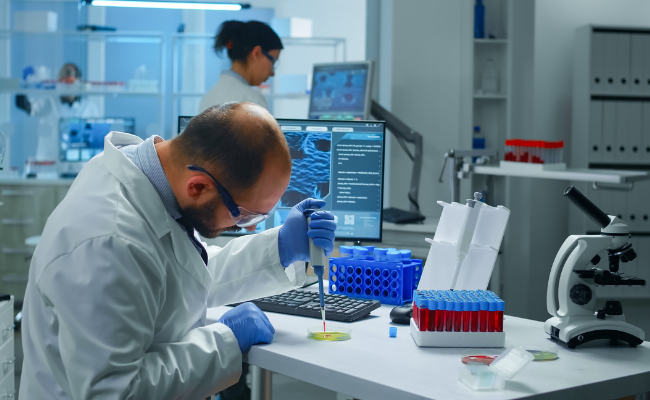
Many serious health conditions begin silently, showing few or no symptoms until they have progressed. This is why early diagnosis plays a critical role in protecting your health. Accurate testing allows healthcare providers to detect illnesses before they become severe, making treatment more effective and improving long-term outcomes. Diagnostic and Laboratory Services provide the medical insights needed to identify diseases, monitor existing conditions, and support informed treatment decisions.
At Adams Compassionate Healthcare Network, we understand that timely and reliable testing is the foundation of quality healthcare. Our comprehensive Diagnostic and Laboratory Services help patients receive accurate diagnoses, personalized treatment plans, and ongoing monitoring to maintain better health throughout every stage of life.
Understanding Diagnostic and Laboratory Services
Healthcare providers rely on diagnostic testing to understand what is happening inside the body. While symptoms provide valuable clues, laboratory tests and diagnostic procedures offer precise information that helps confirm or rule out medical conditions.
Diagnostic and Laboratory Services include a wide range of medical tests designed to evaluate your overall health, detect diseases, monitor chronic illnesses, and guide treatment decisions. From routine blood work to specialized laboratory testing, these services provide essential information that allows healthcare professionals to deliver safe, accurate, and effective care.
Regular diagnostic testing is not only important when you feel unwell—it is also a key part of preventive healthcare that helps identify potential health issues before symptoms appear.
Why Early Disease Detection Matters
Many chronic illnesses develop gradually without noticeable warning signs. Conditions such as diabetes, high cholesterol, kidney disease, thyroid disorders, and certain cancers may remain undiagnosed for months or even years if regular screenings are not performed.
Early detection offers several important advantages:
- Identifies diseases before symptoms become severe
- Increases the effectiveness of treatment
- Reduces the risk of serious complications
- Helps patients make informed healthcare decisions
- Supports better long-term health outcomes
- May lower overall healthcare costs through preventive care
When diseases are diagnosed early, healthcare providers often have more treatment options available, giving patients a better chance of recovery and improved quality of life.
Common Diagnostic and Laboratory Tests
Modern healthcare depends on accurate laboratory testing to evaluate different aspects of a patient’s health. These tests help physicians understand how organs are functioning, detect infections, monitor medications, and assess overall wellness.
Some commonly performed tests include:
- Complete blood count (CBC)
- Blood glucose testing
- Cholesterol and lipid panels
- Kidney and liver function tests
- Thyroid function testing
- Urinalysis
- Infectious disease screening
- Vitamin deficiency testing
Each test provides valuable information that contributes to a complete picture of your health, allowing providers to recommend the most appropriate care.
Supporting Preventive Healthcare
Preventive care is one of the most effective ways to maintain good health. Rather than waiting until symptoms become severe, regular screenings help identify risk factors and detect illnesses at an early stage.
Routine Diagnostic and Laboratory Services support preventive healthcare by monitoring changes that may not yet cause noticeable symptoms. Your healthcare provider can compare current test results with previous records to identify trends and recommend early interventions when necessary.
Preventive testing also encourages patients to take a proactive role in managing their health through healthier lifestyle choices and regular medical follow-ups.
Managing Chronic Diseases More Effectively
Patients living with chronic conditions require ongoing monitoring to ensure their treatment plans remain effective. Laboratory testing helps healthcare providers evaluate disease progression, adjust medications, and prevent complications before they become serious.
Diagnostic testing plays an important role in managing conditions such as diabetes, hypertension, heart disease, thyroid disorders, kidney disease, and high cholesterol.
Regular monitoring helps providers:
- Evaluate treatment effectiveness
- Detect changes in health conditions
- Adjust medications when necessary
- Monitor organ function
- Reduce the risk of long-term complications
Consistent laboratory testing allows patients and providers to work together toward better disease management and improved overall wellness.
Accurate Testing Leads to Better Treatment Decisions
An accurate diagnosis is the first step toward effective treatment. Without reliable laboratory data, healthcare providers may struggle to determine the exact cause of symptoms.
Diagnostic testing provides objective medical information that supports evidence-based treatment decisions. Physicians use laboratory results alongside physical examinations and medical history to develop personalized care plans tailored to each patient’s needs.
This approach reduces unnecessary treatments while helping patients receive the most appropriate care as quickly as possible.

The Role of Laboratory Services in Family Healthcare
Every member of the family can benefit from routine laboratory testing, regardless of age. Children may require testing for infections or nutritional deficiencies, while adults often need preventive screenings to monitor heart health, diabetes risk, and other chronic conditions.
Older adults especially benefit from regular laboratory monitoring because they are more likely to develop age-related health conditions requiring ongoing management.
By providing comprehensive testing for patients of all ages, healthcare providers can deliver continuous, coordinated care that supports lifelong wellness.
Choosing Reliable Diagnostic and Laboratory Services
Not all testing facilities provide the same level of accuracy, efficiency, and patient care. Choosing a trusted healthcare provider ensures your test results are reliable and interpreted correctly.
When selecting a provider, look for:
- Experienced healthcare professionals
- Accurate and timely laboratory testing
- Comprehensive diagnostic services
- Patient-centered care
- Convenient appointment scheduling
- Clear communication of results
- Personalized follow-up care
Receiving high-quality diagnostic care gives patients confidence in both their results and their treatment plans.
Why Choose Adams Compassionate Healthcare Network?
At Adams Compassionate Healthcare Network, we are committed to delivering compassionate, accurate, and dependable healthcare services. Our Diagnostic and Laboratory Services are designed to support early disease detection, preventive care, and effective treatment planning.
Our experienced medical team works closely with every patient to ensure testing is performed efficiently, results are carefully reviewed, and personalized care plans are developed based on individual health needs. Whether you need routine blood work, preventive screenings, or ongoing monitoring for a chronic condition, we are dedicated to helping you make informed decisions about your health.
Conclusion
Early detection remains one of the most powerful tools in modern healthcare. Regular Diagnostic and Laboratory Services allow healthcare providers to identify diseases before they become serious, monitor chronic conditions, and develop personalized treatment plans that improve long-term health outcomes.
Making routine diagnostic testing part of your healthcare journey can help you stay ahead of potential health concerns, reduce complications, and enjoy greater peace of mind. Investing in preventive healthcare today is one of the best decisions you can make for a healthier tomorrow.
Frequently Asked Questions
1. What are Diagnostic and Laboratory Services?
Diagnostic and Laboratory Services include medical tests such as blood work, urine analysis, cholesterol testing, thyroid testing, and other screenings that help diagnose, monitor, and prevent diseases.
2. Why are laboratory tests important even if I feel healthy?
Many medical conditions develop without noticeable symptoms. Routine laboratory testing helps detect health problems early, allowing for faster treatment and better health outcomes.
3. How often should I have routine laboratory testing?
The frequency depends on your age, medical history, lifestyle, and risk factors. Your healthcare provider can recommend the appropriate testing schedule for your needs.
4. Can laboratory testing help manage chronic diseases?
Yes. Regular testing helps monitor conditions such as diabetes, hypertension, kidney disease, thyroid disorders, and high cholesterol, allowing providers to adjust treatment when necessary.
5. What should I expect during diagnostic testing?
Most routine laboratory tests involve a blood sample, urine sample, or other simple procedures. Your healthcare provider will explain the testing process and discuss your results once they become available.
Contact Us
Adams Compassionate Healthcare Network is committed to providing reliable, compassionate healthcare supported by accurate Diagnostic and Laboratory Services. Whether you need preventive screenings, routine testing, or ongoing health monitoring, our experienced team is here to support your wellness journey. For more information or assistance, please contact us at (703) 542-3366 or email us at contact@achnhealth.org.