



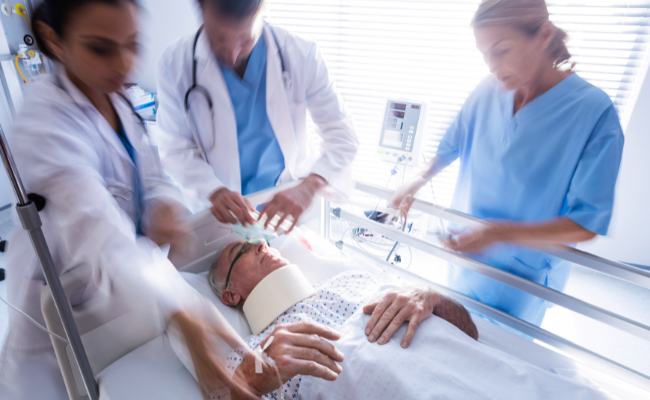
Medical emergencies can happen without warning. Whether it’s a severe injury, heart attack, stroke, breathing difficulty, or sudden illness, receiving immediate medical attention can make the difference between life and death. Virginia emergency medical services play a critical role in providing rapid response, life-saving treatment, and safe transportation for patients when every second counts.
At Adams Compassionate Healthcare Network (ACHN), we understand the importance of timely emergency care while also supporting patients with comprehensive healthcare services, including preventive care, diagnostics, and follow-up treatment. Knowing how emergency medical services work and when to seek emergency care can help you make informed decisions during critical situations.
What Are Virginia Emergency Medical Services?
Virginia emergency medical services (EMS) are a coordinated network of trained professionals who respond to medical emergencies across the state. EMS providers include emergency medical technicians (EMTs), paramedics, emergency dispatchers, firefighters, and hospital emergency departments working together to deliver immediate medical care.
Their primary responsibilities include:
- Responding quickly to emergency calls
- Assessing the patient’s condition
- Providing life-saving treatment before reaching the hospital
- Stabilizing injuries and illnesses
- Safely transporting patients to appropriate healthcare facilities
- Coordinating with emergency physicians for continued care
Virginia’s EMS system is designed to ensure that people receive immediate attention regardless of where an emergency occurs.
Why Emergency Medical Services Are So Important
Emergencies often involve conditions where treatment delays can significantly increase health risks. Quick intervention can improve survival rates, reduce complications, and speed up recovery.
Common emergencies that require immediate EMS response include:
- Chest pain or suspected heart attack
- Stroke symptoms
- Severe bleeding
- Difficulty breathing
- Serious burns
- Major accidents
- Loss of consciousness
- Seizures
- Severe allergic reactions
- Drug overdoses
Professional emergency responders arrive equipped with advanced medical equipment and medications that help stabilize patients before hospital treatment begins.
How Virginia Emergency Medical Services Respond
When someone calls 911, the emergency response system immediately begins assessing the situation.
Emergency Dispatch
Specially trained dispatchers gather important information such as:
- Patient condition
- Location
- Symptoms
- Number of injured individuals
- Immediate dangers
They also provide life-saving instructions while emergency teams are on the way.
On-Scene Medical Assessment
Once EMS arrives, responders quickly evaluate:
- Airway
- Breathing
- Circulation
- Level of consciousness
- Vital signs
- Visible injuries
This rapid assessment allows the medical team to prioritize treatment immediately.
Emergency Treatment
Depending on the patient’s condition, EMS professionals may provide:
- CPR
- Oxygen therapy
- Defibrillation
- Medication administration
- Bleeding control
- Fracture stabilization
- IV fluids
- Airway management
These interventions often save valuable time before reaching the hospital.
Safe Transportation
After stabilization, patients are transported to the nearest appropriate emergency department or trauma center while receiving continuous medical monitoring throughout the journey.
When Should You Call Emergency Medical Services?
Many people hesitate during emergencies because they are unsure whether the situation is serious enough. Calling EMS is appropriate whenever someone experiences symptoms that could become life-threatening.
Seek emergency medical assistance if someone has:
- Sudden chest pain
- Difficulty breathing
- Stroke symptoms such as facial drooping or weakness
- Heavy bleeding
- Severe head injury
- Unconsciousness
- Severe burns
- Serious fractures after accidents
- Poisoning
- Persistent seizures
Prompt action gives emergency professionals the best chance to provide life-saving care.

The Connection Between Emergency Care and Ongoing Healthcare
Emergency treatment addresses immediate life-threatening conditions, but long-term recovery depends on quality follow-up healthcare.
After emergency treatment, patients often require:
- Primary care visits
- Medication management
- Laboratory testing
- Diagnostic imaging
- Chronic disease monitoring
- Rehabilitation
- Specialist referrals
This continuity of care helps prevent complications and supports a complete recovery.
The Role of Virginia Laboratory Services After Emergencies
Following emergency treatment, accurate testing becomes essential for diagnosing underlying health conditions and monitoring recovery. High-quality Virginia laboratory services help physicians make informed treatment decisions.
Laboratory testing may include:
- Blood tests
- Infection screening
- Cardiac enzyme testing
- Diabetes monitoring
- Kidney function tests
- Liver function tests
- Cholesterol testing
- Urinalysis
- Electrolyte panels
These diagnostic services allow healthcare providers to identify medical issues that may not be immediately visible during emergency care.
How Laboratory Services Improve Patient Outcomes
Modern laboratory testing supports nearly every stage of healthcare.
Benefits include:
- Faster diagnosis
- Accurate treatment planning
- Early disease detection
- Monitoring medication effectiveness
- Tracking recovery progress
- Preventing complications
- Supporting chronic disease management
Reliable Virginia laboratory services help physicians deliver personalized treatment based on accurate medical data.
Preventing Medical Emergencies
While not every emergency can be avoided, many serious medical conditions can be prevented through routine healthcare and healthy lifestyle choices.
Some preventive measures include:
- Schedule regular primary care visits
- Manage blood pressure and diabetes
- Stay physically active
- Eat a balanced diet
- Stop smoking
- Limit alcohol consumption
- Take medications as prescribed
- Get recommended vaccinations
- Complete routine laboratory testing
- Know the warning signs of heart attack and stroke
Preventive care reduces the risk of medical emergencies and supports long-term wellness.
How Adams Compassionate Healthcare Network Supports Patients
At Adams Compassionate Healthcare Network, compassionate care extends beyond routine medical visits. While emergency responders provide immediate life-saving treatment, our healthcare professionals help patients continue their recovery through comprehensive medical services.
Our care includes:
- Primary care services
- Preventive healthcare
- Chronic disease management
- Health screenings
- Diagnostic evaluations
- Virginia laboratory services
- Patient education
- Care coordination
- Follow-up appointments
- Compassionate, patient-centered treatment
By combining preventive medicine with timely diagnostic support, we help patients stay healthier and reduce future health risks.
Conclusion
Medical emergencies demand immediate action, and Virginia emergency medical services are dedicated to delivering fast, skilled, and life-saving care when every second matters. From emergency response and hospital transportation to recovery support through primary care and Virginia laboratory services, every part of the healthcare system works together to protect patient health.
Understanding when to seek emergency care, recognizing warning signs, and maintaining regular medical checkups can significantly improve health outcomes. By partnering with trusted healthcare providers like Adams Compassionate Healthcare Network, patients receive the ongoing care they need long after the emergency has passed.
Frequently Asked Questions (FAQs)
1. What are Virginia emergency medical services?
Virginia emergency medical services are trained emergency responders, including EMTs and paramedics, who provide immediate medical care and transportation during emergencies.
2. When should I call 911 instead of visiting a clinic?
Call 911 for life-threatening conditions such as chest pain, stroke symptoms, severe injuries, difficulty breathing, uncontrolled bleeding, or unconsciousness.
3. Why are Virginia laboratory services important after emergency treatment?
Virginia laboratory services help diagnose underlying conditions, monitor recovery, evaluate treatment effectiveness, and guide ongoing medical care.
4. Can regular healthcare reduce emergency situations?
Yes. Routine checkups, preventive screenings, chronic disease management, and healthy lifestyle habits can significantly reduce the risk of medical emergencies.
5. What services does Adams Compassionate Healthcare Network provide after an emergency?
ACHN offers primary care, follow-up appointments, preventive healthcare, chronic disease management, diagnostic evaluations, and laboratory services to support complete recovery.
Contact Us
Adams Compassionate Healthcare Network is committed to providing compassionate, patient-centered healthcare before, during, and after medical emergencies. Whether you need preventive care, follow-up treatment, or access to trusted Virginia laboratory services, our experienced team is here to help.
Phone: (703) 542-3366
Email: contact@achnhealth.org